Women’s health needs can change significantly throughout life. The habits that support well-being during the teenage years may differ from those that become important during adulthood, pregnancy, menopause, and later life. Understanding these changing needs can make it easier to take preventive steps, recognize warning signs, and maintain a healthy lifestyle.
While every woman is different, several practical habits can support physical and emotional well-being at almost any age. Here are essential women’s health tips to consider throughout the different stages of life.
1. Build Healthy Habits During the Teen Years
The teenage years are an important time to establish habits that can influence health later in life. Good nutrition, physical activity, adequate sleep, and emotional well-being should all be priorities.
Teenagers should aim to eat a balanced diet containing vegetables, fruits, whole grains, protein sources, and calcium-rich foods. Regular physical activity supports strong bones, muscles, cardiovascular health, and overall fitness.
Sleep is equally important. Maintaining a consistent sleep schedule can support concentration, mood, and daily energy.
Teenagers should also learn about menstrual health. Periods can vary from person to person, but unusually heavy bleeding, severe pain, or significant changes in the menstrual cycle may warrant medical advice.
2. Prioritize Preventive Care in Early Adulthood
As women enter adulthood, preventive healthcare becomes increasingly important. Regular health checkups provide an opportunity to discuss concerns, review personal and family health history, and stay up to date with recommended screenings and vaccinations.
Women should also become familiar with their normal menstrual patterns, breast appearance, and general health. Knowing what is normal for you makes it easier to notice meaningful changes.
If you are sexually active, discuss contraception and sexual health with a qualified healthcare professional. Appropriate protection can help reduce the risk of sexually transmitted infections, while regular testing may be recommended depending on individual circumstances.
3. Maintain a Balanced Diet
Nutrition plays an important role throughout every stage of life. Instead of relying on restrictive diets or quick fixes, focus on a varied eating pattern that provides essential nutrients.
Include foods such as:
- Leafy greens and colorful vegetables
- Fresh or whole fruits
- Whole grains
- Beans and other legumes
- Eggs, fish, poultry, or other protein sources
- Nuts and seeds
- Dairy or suitable alternatives
Iron is particularly important for many women, especially during the reproductive years when menstrual blood loss can affect iron levels. However, supplements should not be taken unnecessarily. If you are concerned about an iron deficiency, speak with a healthcare professional.
4. Stay Physically Active
Regular movement can support heart health, muscle strength, bone health, flexibility, and mental well-being.
A balanced exercise routine can include walking, cycling, swimming, strength training, stretching, or other activities you enjoy. Strength exercises become particularly valuable as women age because maintaining muscle mass and bone strength can support mobility and independence.
The goal does not have to be intense exercise every day. Consistency is often more important than perfection.
5. Take Care of Reproductive Health
Reproductive health is an important part of women’s healthcare, whether or not someone plans to have children.
Women should feel comfortable discussing menstrual concerns, contraception, fertility, sexual health, pregnancy planning, and other reproductive issues with healthcare professionals.
Those considering pregnancy may benefit from a preconception health consultation. During pregnancy, regular prenatal care helps monitor both maternal and fetal health and provides opportunities to discuss nutrition, medications, exercise, and warning signs.
6. Protect Your Heart Health
Heart disease is a major health concern for women, and maintaining cardiovascular health should begin well before older adulthood.
Important habits include:
- Staying physically active
- Eating a balanced diet
- Avoiding tobacco
- Maintaining a healthy weight appropriate for your individual circumstances
- Managing blood pressure and cholesterol
- Getting adequate sleep
- Managing ongoing stress
Women should also understand that heart-related symptoms can vary. Chest discomfort, shortness of breath, unusual fatigue, nausea, dizziness, or discomfort affecting the jaw, back, shoulder, or arm can require prompt medical attention, particularly when symptoms are sudden or severe.
7. Pay Attention to Bone Health
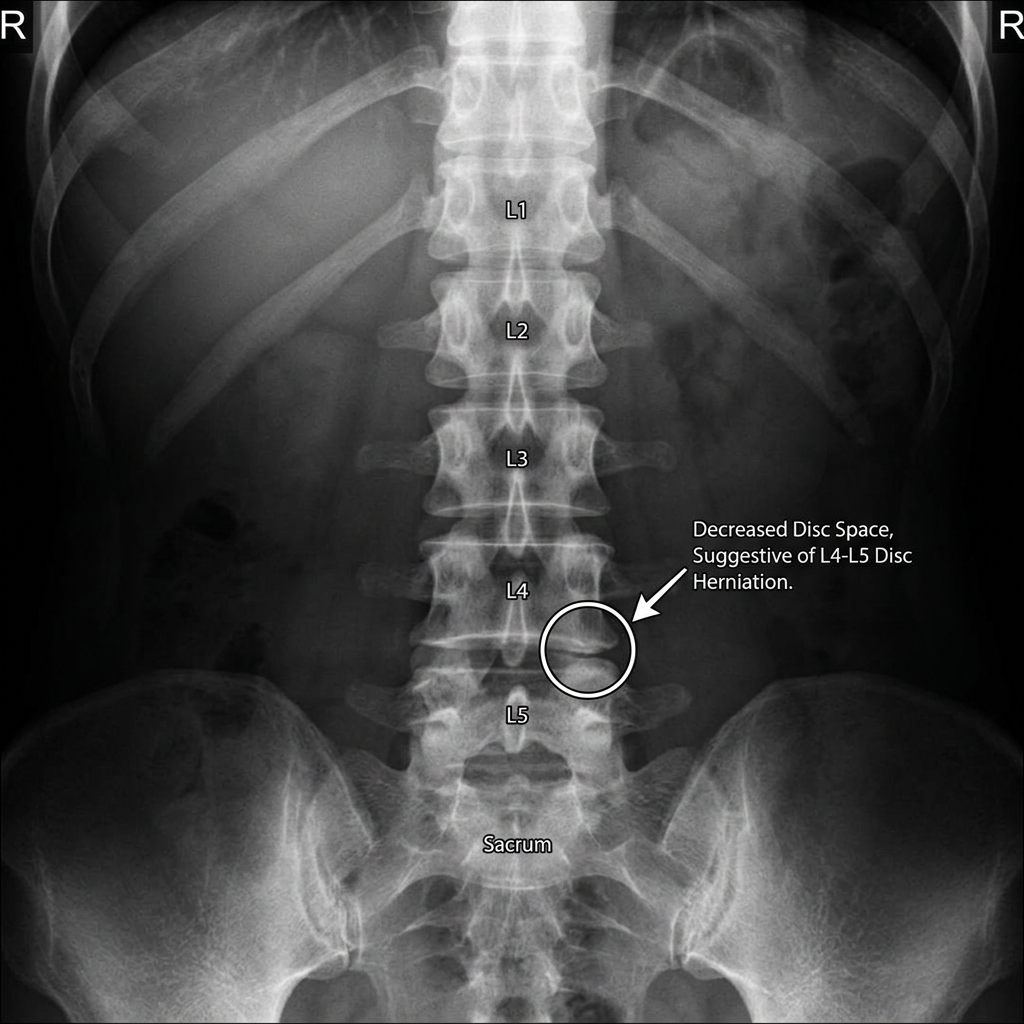
Bone health deserves attention throughout life because bone density naturally changes with age. Building strong bones earlier in life and maintaining them later can help reduce the risk of fractures.
Calcium-rich foods, adequate vitamin D, weight-bearing activities, and strength exercises can support healthy bones. Avoiding smoking and excessive alcohol consumption is also beneficial.
Women approaching or going through menopause should discuss bone health with their healthcare provider, especially when other risk factors for osteoporosis are present.
8. Understand Menopause
Menopause is a natural stage of aging that marks the end of menstrual periods. The transition, known as perimenopause, can begin years earlier and may bring symptoms such as hot flashes, sleep changes, mood changes, vaginal dryness, and irregular periods.
Not every woman experiences menopause in the same way. Maintaining regular exercise, eating a nutritious diet, getting adequate sleep, and discussing troublesome symptoms with a healthcare professional can make the transition easier to manage.
There are also medical treatment options for certain symptoms, but the appropriate choice depends on individual health factors.
9. Make Mental Health a Priority
Mental health is an essential part of women’s overall well-being. Work responsibilities, relationships, caregiving, hormonal changes, financial concerns, and major life transitions can all affect emotional health.
Make time for activities that support relaxation and connection. Regular physical activity, sufficient sleep, social relationships, hobbies, and healthy boundaries can all contribute to emotional well-being.
Persistent sadness, anxiety, hopelessness, extreme mood changes, or difficulty managing everyday activities should not be ignored. Speaking with a qualified healthcare or mental health professional can provide appropriate support.
10. Stay Healthy During Later Life
As women grow older, maintaining independence, mobility, and cognitive well-being becomes increasingly important.
Regular medical checkups and age-appropriate screenings can help identify potential health problems early. Staying active, eating nutrient-rich foods, maintaining social connections, and protecting sleep can support quality of life.
Fall prevention is also important. Good lighting, safe flooring, appropriate footwear, and regular strength and balance activities can reduce some everyday risks.
11. Know Your Personal Health History
Family history can provide useful information about potential health risks. Keep track of significant conditions affecting close family members and share relevant information with your healthcare provider.
Your personal medical history, medications, allergies, lifestyle, and previous test results can also help healthcare professionals make better-informed recommendations.
A Simple Women’s Health Checklist
| Health Area | Helpful Habit |
|---|---|
| Nutrition | Eat a varied, nutrient-rich diet |
| Exercise | Stay active and include strength training |
| Sleep | Maintain a consistent sleep routine |
| Preventive care | Follow recommended checkups and screenings |
| Reproductive health | Discuss concerns with a qualified professional |
| Heart health | Monitor major cardiovascular risk factors |
| Bone health | Support calcium, vitamin D, and physical activity |
| Mental health | Seek support when emotional concerns persist |
| Sun protection | Use appropriate protection when outdoors |
| Healthy aging | Maintain mobility, social connections, and independence |
Final Thoughts
Women’s health is a lifelong journey rather than a single set of rules. Different stages bring different priorities, but many fundamentals remain consistent: eat well, stay active, get enough sleep, protect your mental health, attend recommended preventive appointments, and pay attention to changes in your body.
Most importantly, healthcare should be personalized. Your age, medical history, family history, lifestyle, and individual circumstances can all influence which screenings and preventive measures are appropriate. When something feels unusual or concerning, discussing it with a qualified healthcare professional is often the best next step.