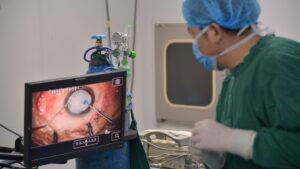
Interventional radiology (IR) is a minimally invasive alternative to traditional surgery for some urological conditions. Using image-guided techniques, interventional radiologists diagnose and treat disorders of the urinary tract and male reproductive system, and this approach may carry fewer risks than open surgery. Because IR relies on precision imaging to guide each procedure, outcomes may be more targeted than with conventional surgery. Here is more information on how urological conditions are treated:
What Is Interventional Radiology?
Interventional radiology is a medical specialty that uses imaging technology to guide minimally invasive procedures inside the body. Rather than making large incisions, interventional radiologists work through small entry points, and they use catheters, needles, and wires to reach the target area. Interventional radiologists are trained in both radiology and procedural medicine, which allows them to interpret images in real time while performing complex interventions.
What Are the Available Services?
Interventional radiology offers a broad range of procedures across multiple organ systems. Available services include:
- Percutaneous Ethanol Injection (PEI): A minimally invasive procedure in which ethanol is injected directly into a tumor or cyst under imaging guidance.
- Radioembolization: A procedure that delivers radioactive microspheres directly into the blood vessels supplying a tumor.
- Selective Internal Radiation Therapy (SIRT): A form of radioembolization that uses yttrium-90 microspheres to deliver targeted radiation to liver tumors.
Providers select each procedure based on the patient’s specific condition, anatomy, and clinical needs.
What Are Urological Conditions?
Urological conditions affect the kidneys, bladder, ureters, and urethra, and in men, they also involve the prostate and reproductive organs. These conditions range in severity. While some are manageable chronic issues, others are acute emergencies that require prompt medical intervention. Early identification helps prevent long-term complications. These diagnoses include kidney stones, ureteral obstruction, renal cysts, hydronephrosis, and varicoceles.
Symptoms vary depending on the affected structure and the condition. A patient with a ureteral obstruction sometimes experiences flank pain and decreased urine output, while someone with a varicocele may report pelvic discomfort or fertility concerns. Both presentations require thorough clinical evaluation. Accurate diagnosis is key. Imaging studies help determine whether interventional radiology is an appropriate treatment option, as they provide detailed information about the condition’s location and severity.
How Are They Treated?
Treatment selection depends on the specific diagnosis, the severity of the condition, and the patient’s overall health. For urinary obstructions, an interventional radiologist will place a tube to drain the kidney, or they may insert a ureteral stent to restore normal urine flow. Since these procedures relieve pressure on the kidney, they help prevent long-term organ damage.
When compared with surgical alternatives, IR procedures may allow faster recovery because they are often less invasive. Patients may return to routine activities within days rather than weeks. These procedures are minimally invasive, and the overall recovery timeline is generally shorter than traditional surgical approaches. Consulting an interventional radiologist helps determine what each situation needs.
Consult an Interventional Radiologist
Interventional radiology provides a clinically effective, minimally invasive option for patients managing a range of urological conditions. IR techniques offer targeted treatment with potentially reduced recovery time and lower procedural risk. If you have been diagnosed with a urological condition, speak with an interventional radiologist. A consultation may include a review of existing imaging, and an interventional radiologist will recommend a care plan tailored to your needs.