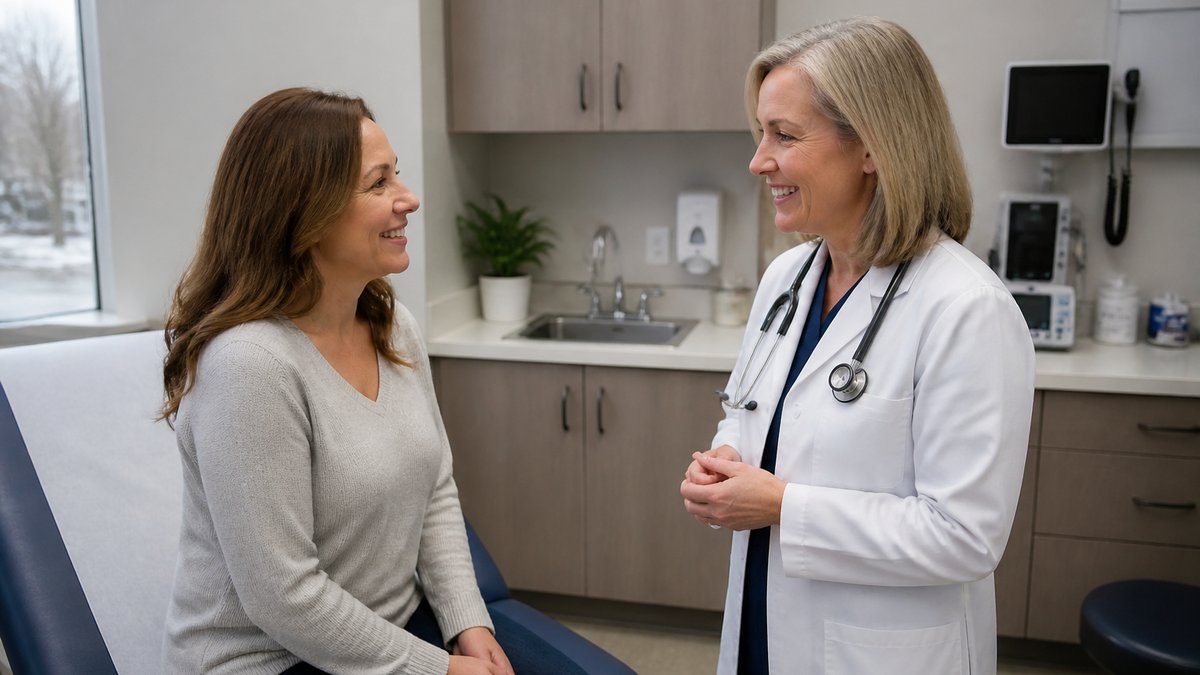
Regular visits to a women’s clinic support day-to-day health, and these appointments give you structured time with a provider. They create a record of your health over the years. When exams follow a consistent schedule, issues are more likely to be addressed before they disrupt your routines. Here is more information on visiting a women’s clinic:
Routine Exams
Routine exams form the foundation of ongoing care and are typically straightforward. A visit includes a conversation about your health, and it may involve a physical exam or screening tests. When you return on a set schedule, your provider tracks changes in your blood pressure, weight, and other measurements.
These details build a picture of your health, and they help guide decisions about future care. A women’s clinic visit also offers time to ask questions about cycles, sexual health, or symptoms that raise concerns. When you speak with the same team regularly, you spend less time explaining your history, and you move faster toward practical solutions.
Early Detection and Prevention
Preventive services at a women’s clinic focus on catching patterns early. Screenings and risk assessments highlight small shifts, and they give your provider a starting point for targeted advice. When issues are identified sooner, treatment plans typically stay simpler and more manageable. These elements are included:
- Tests help identify changes before symptoms disrupt daily tasks.
- Risk assessments guide lifestyle recommendations tailored to your health profile.
- Vaccinations offered in this setting support protection against specific infections.
- Check-ins encourage follow-through on previous recommendations and tests.
Updated Medications
Medication needs change over time, and a women’s clinic visit keeps prescriptions aligned with current health status. Your provider reviews what you take. They can look for interactions, side effects, or outdated dosages. When your history and recent lab results sit in one chart, adjustments stay grounded in your real numbers, not guesswork.
Monitored Life Stages
Health needs shift across life stages, and a clinic provides structure during those transitions. Adolescence may bring questions about periods, body changes, and sexual health. When these visits start early, patients learn how to describe symptoms clearly, and they gain familiarity with exam routines.
During reproductive years, visits address contraception, pregnancy planning, and menstrual concerns, and they include screening for infections. A steady schedule of visits supports preconception counseling, and it helps align health habits with future goals. Monitored care during pregnancy tracks both parent and baby and allows timely adjustments if new symptoms appear.
Perimenopause and menopause introduce different questions. Regular visits help manage these changes. Symptoms such as cycle changes, sleep shifts, or discomfort can be reviewed, and they are placed in the context of your broader health. With ongoing monitoring, bone health, heart health, and hormone shifts receive attention at the same time, and that integrated view supports steadier wellbeing.
Visit a Women’s Clinic Today
Regular visits keep your health information current, and they support decisions based on trends rather than isolated moments. When you schedule care at a women’s clinic, you invest in structured monitoring, early detection, and timely updates to your treatment plan. These clinics focus on comprehensive care across different stages of life, and that type of approach helps align everyday health with long-term goals.