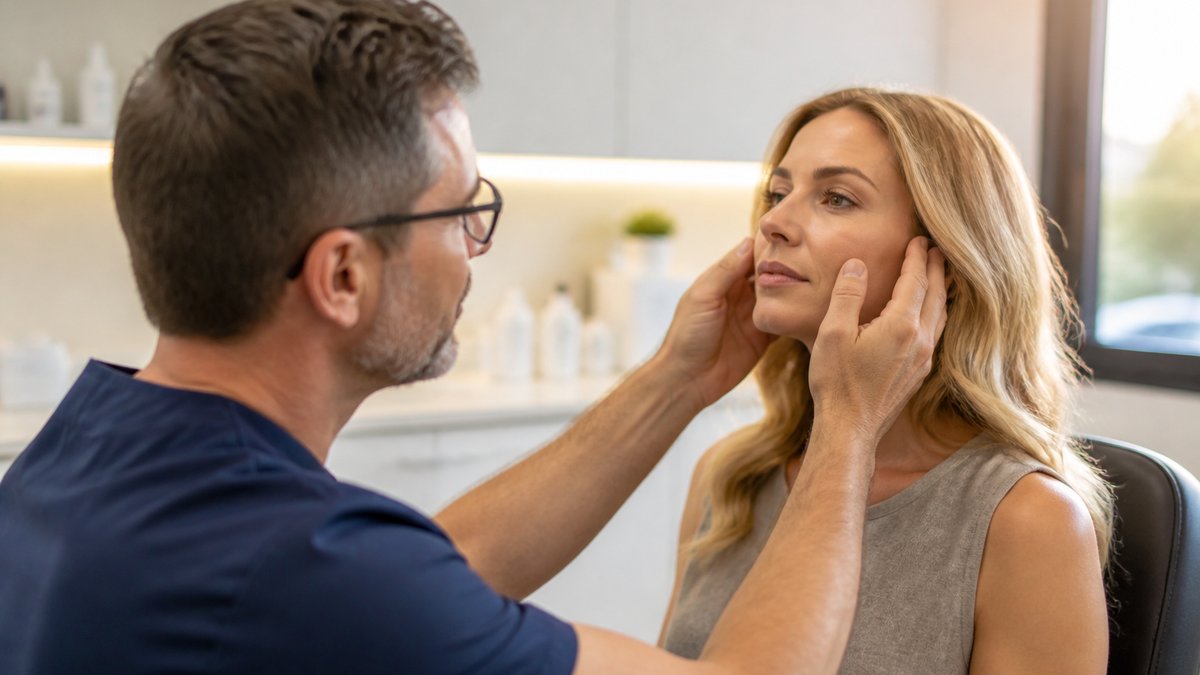
Before scheduling Botox injections, compile a list of questions about the procedure. This treatment uses small injections to relax specific muscles, and it has cosmetic applications. When you ask focused questions, you can clarify your goals and work with your provider to decide whether this option fits your needs. Here is more information on what to ask before getting Botox:
What Is Botox?
Start by asking your provider to explain what Botox is and how it works in straightforward terms. This injectable medication comes from a purified form of botulinum toxin, and it is used in small, controlled doses. It affects the communication between nerves and muscles, so treated muscles relax, and lines linked to repeated movement soften. When you understand this mechanism, you are better prepared to discuss where treatment may be useful for you.
What Does the Process Involve?
Knowing what happens before, during, and after treatment helps you plan your visit. Ask what happens during the initial consultation. A thorough review supports safe treatment, and it also gives you time to discuss previous procedures or any neuromuscular conditions. When the provider outlines each step, you can decide whether the timeline works with your schedule.
Because appointment length and comfort vary, ask how long the procedure typically takes and whether numbing options are available. Some practices use topical anesthetic for comfort. Ask how many injection points they usually use for your areas of concern, and they can mark and map those points. Clear answers help you anticipate what the appointment feels like from start to finish.
Post-treatment guidance also deserves specific questions, because aftercare influences your experience. Ask what you should avoid in the first few hours and how long you need to follow those instructions. Providers may give advice about exercise, lying down, or touching the treated areas; this advice supports even distribution of the product. Ask when you are likely to notice changes and when a follow-up visit would be scheduled if an adjustment is needed.
What Are the Benefits?
During your consultation, ask which benefits are realistic for your features and skin. Botox targets frown lines, forehead lines, and crow’s feet, and it softens the movement that creates those wrinkles. Some patients also use it for non-cosmetic reasons, so you can ask whether your concerns fall into that category. When your provider links benefits to specific muscles and expressions, you’ll have a clearer idea of what to expect.
Ask how natural the results tend to look in their practice, and ask how they avoid an overly frozen appearance. Technique, dose, and injection placement all influence the final effect. Experienced injectors adjust these factors to match your goals. You may also ask how long benefits usually last for someone with your age and muscle activity, because longevity varies from person to person. With this information, you can plan how often to return for maintenance treatments.
Learn More About Botox Today
Before you agree to treatment, prepare a short list of questions and bring it to your appointment. Ask about the provider’s training, the specific product they use, expected results, and what to do if you experience side effects. Clear, direct answers help you understand what Botox involves, and they put you in a stronger position to decide whether the treatment aligns with your goals and health needs. A structured conversation may lead to a treatment plan that matches your priorities and timeline.