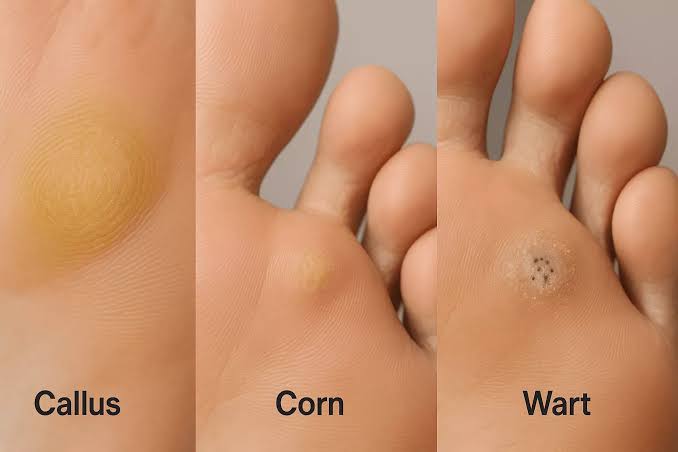
Plantar warts are small, rough growths on the soles of the feet, and they form when the human papillomavirus (HPV) enters the skin through tiny cuts. They appear on the heels or balls of the feet, and daily pressure pushes them inward. Here is more information on their effects on comfort, movement, and posture:
Slight Discomfort
When a wart first forms, you may notice only a small, firm spot on your sole. The area feels like a pebble in your shoe. The sensation comes and goes, and many people ignore it for weeks. This early stage rarely limits your daily routine.
A thick callus typically grows over the wart, and this extra layer adds pressure. Standing for long periods may cause a dull ache because your full weight rests on the spot. Tight or thin-soled shoes tend to make the ache from plantar warts worse.
Altered Gait
Your body adjusts to foot pain quickly, and your walking pattern typically changes as a result. You might shorten your stride or shift weight to one side. These shifts feel minor at first, though they place uneven stress on your foot. Watch for the following signs:
- Limping or favoring one foot
- Walking on your toes or the outer edge of your foot
- Using shorter steps on the affected side
- Having uneven wear on the soles of your shoes
A changed gait affects more than the foot. Weeks of limping train your muscles into a new pattern. If the pattern continues, it may linger even after the wart heals. Short trips feel manageable, but long days on your feet expose the problem.
Increased Nerve Pressure
Plantar warts grow inward rather than outward. Each step adds a small burst of force to the area. Your sole carries your body weight, and that force drives the wart deeper into the skin. As the wart pushes down, it presses on nearby nerve endings.
Pain at this stage feels sharp, and it may spike with each step. For some people, it feels like a needle jab. The pain typically gets worse when you squeeze the wart from the sides.
If several warts cluster together, they form a mosaic wart that covers a wider area. Mosaic warts press on more nerves, and the pain may spread beyond one spot. Walking barefoot on hard floors typically intensifies this pain.
Indirect Strain in Other Areas
Uneven walking sends extra stress up the leg. Other joints absorb the added load, and nearby muscles work harder to keep you balanced. Since this strain builds slowly, many people never link it to a foot wart. If you notice new knee or back pain, think about how you have been walking. Watch these areas for new aches:
- Ankles: strain from rolling the foot outward
- Knees: uneven impact with each step
- Hips: tension from a shifted stride
- Back: soreness from changes in posture
Get Plantar Warts Removed
If a wart hurts, spreads, or changes the way you walk, a medical visit can help. Some warts clear up on their own, but this process may take months or even years. Over-the-counter salicylic acid helps some people. A provider at a foot and ankle clinic can examine the wart and explain your removal options.