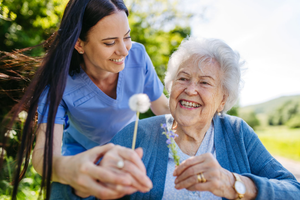
Caring for an elderly family member can be a meaningful responsibility, but it also requires patience, planning, and understanding. As people age, their needs may change in areas such as mobility, nutrition, medication management, emotional well-being, and daily activities. Providing thoughtful support can help older adults remain comfortable, independent, and connected to the people around them.
Whether you are caring for an aging parent, grandparent, spouse, or another relative, small improvements in daily routines can make a significant difference. Here are essential tips for providing better care for elderly family members while respecting their dignity and independence.
1. Understand Their Individual Needs
Every older adult has different preferences, abilities, and care requirements. Instead of assuming what your family member needs, take time to understand their daily routine and concerns.
Consider areas such as:
- Mobility and balance
- Personal hygiene
- Eating and drinking habits
- Medication routines
- Sleep patterns
- Social activities
- Household responsibilities
- Emotional and mental well-being
A simple conversation can help identify where additional support is needed. Regularly reassessing their needs is also important because abilities and circumstances can change over time.
2. Encourage Independence
Good elderly care does not mean doing everything for an older person. Whenever possible, encourage them to complete safe tasks independently. Maintaining independence can support confidence, self-esteem, and a sense of control.
For example, an elderly family member may be able to prepare a simple meal, choose their clothing, organize personal belongings, or participate in household activities. Offer assistance when necessary while allowing them to make decisions about their everyday life.
The goal should be to provide support without unnecessarily taking away independence.
3. Make the Home Safer
Falls and household accidents can become more concerning as people age. Making the living environment safer can reduce avoidable risks.
Some practical improvements include:
- Keeping walkways clear of clutter
- Removing loose rugs where appropriate
- Installing grab bars in bathrooms
- Improving lighting in hallways and stairways
- Keeping frequently used items within easy reach
- Adding non-slip surfaces where needed
- Ensuring stairs have secure handrails
It is also useful to regularly inspect the home for new hazards. A safer environment can make everyday movement more comfortable and give both the older adult and caregiver greater peace of mind.
4. Pay Attention to Nutrition and Hydration
A balanced diet becomes increasingly important with age. Older adults may sometimes experience reduced appetite, difficulty preparing meals, or changes in taste and dietary needs.
Encourage regular meals containing a variety of nutritious foods, such as vegetables, fruits, whole grains, protein sources, and appropriate dairy or alternatives. Adequate fluid intake is also important.
If your family member has a medical condition, swallowing difficulty, food allergy, or a medically prescribed diet, discuss appropriate nutrition with a qualified healthcare professional rather than making major dietary changes independently.
5. Help Keep Medication Routines Organized
Many older adults take multiple medications, which can make schedules difficult to manage. Missed or duplicated doses can create unnecessary health risks.
A medication routine may be easier to manage by:
- Keeping medicines organized
- Using a medication reminder system
- Maintaining an up-to-date medication list
- Checking instructions carefully
- Attending healthcare appointments when appropriate
- Asking a pharmacist or healthcare professional about questions or possible interactions
Never change prescribed medications or dosages without appropriate medical guidance.
6. Support Physical Activity
Regular movement can contribute to strength, flexibility, balance, and overall well-being. The appropriate activity depends on an individual’s health, mobility, and abilities.
Depending on their circumstances, activities might include walking, gentle stretching, chair exercises, gardening, or other low-impact movement.
If your family member has significant mobility limitations or health concerns, seek professional advice about suitable activities. The objective is not intense exercise but safe and appropriate movement that fits their capabilities.
7. Prioritize Emotional and Social Well-Being
Elderly care involves more than physical needs. Loneliness, boredom, and reduced social interaction can affect an older person’s overall quality of life.
Make time for meaningful conversations and activities. Visiting regularly, sharing meals, watching a favorite program together, playing games, or helping with hobbies can provide valuable companionship.
Encourage safe connections with friends, relatives, community groups, or other social networks. Even short conversations can help an older adult feel valued and connected.
8. Communicate With Respect
Older adults should be treated as adults and included in decisions about their own lives. Speak clearly, listen carefully, and avoid being unnecessarily controlling or dismissive.
Instead of simply deciding what is best, ask questions such as:
- “What would you prefer?”
- “How can I make this easier for you?”
- “Would you like some help with this?”
- “Is there anything you are concerned about?”
Respectful communication helps preserve dignity and strengthens trust between family members.
9. Keep Regular Healthcare Appointments
Routine healthcare visits can help identify concerns early and provide opportunities to discuss changing needs. Help your family member keep track of appointments, questions, medications, and important health information.
Depending on their circumstances, healthcare may involve a primary care professional as well as specialists, dental care, vision care, or other services.
If you notice a significant or sudden change in their health, behavior, mobility, or daily functioning, seek appropriate professional advice.
10. Remember the Caregiver’s Well-Being
Family caregivers can become physically and emotionally exhausted when they try to manage everything alone. Taking care of yourself is not selfish; it can help you provide better long-term support.
Ask other relatives to share responsibilities when possible. Consider community resources, professional caregiving services, or respite support if available and appropriate.
Make time for adequate sleep, meals, exercise, personal activities, and social connections. A sustainable care routine is better than trying to handle every responsibility without assistance.
Conclusion
Providing better care for elderly family members involves much more than helping with daily tasks. It means creating a safe environment, supporting healthy routines, respecting personal choices, encouraging independence, and providing emotional companionship.
The most effective approach is individualized and flexible. Pay attention to your family member’s changing needs and involve them in decisions whenever possible. With patience, communication, preparation, and support from healthcare professionals and other family members, you can help an older loved one maintain dignity, comfort, independence, and a better quality of life.