Recurring lower back pain can affect daily activities and have multiple causes. Identifying what triggers your pain can help you and your healthcare provider choose suitable ways to manage it. Here are some common causes of recurring lower back pain and solutions:
What Causes Lower Back Pain?
Lower back pain rarely occurs from a single trigger; several factors can overlap in one person. Carefully reviewing your habits, posture, and medical history helps narrow the source. The following groups are frequent contributors:
- Muscle or ligament strain: Heavy lifting or a sudden, awkward movement can overstretch soft tissue and cause sharp and localized pain.
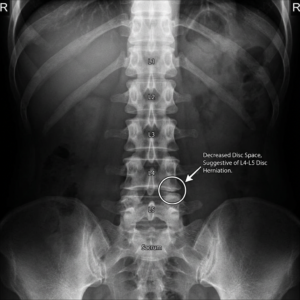
- Disc problems: A bulging or herniated disc may press on nearby nerves, creating pain that travels into the leg.
- Poor posture: Long hours at a desk move your spine out of alignment, and repeated slouching adds steady load to the lower back.
- Degenerative changes: Wear in the joints and discs accumulates with age, and it may narrow spaces where nerves pass.
- Sciatica: Irritation of the sciatic nerve sends pain, tingling, or weakness down one leg, though the root problem is in the spine.
Why Does Pain Recur?
Pain that returns often follows a rhythm, and tracking that rhythm may reveal useful clues. You may experience flare-ups after long drives, while others report stiffness that peaks each morning and eases with movement. When you log the timing, activity, and intensity of each episode, you give your clinician concrete data to work with. These records help separate a temporary strain from a structural issue that needs closer attention.
How Does One Prevent Flare-Ups?
A management plan integrates active care with daily adjustments, and both can reduce how often back pain returns. The goal is to build strength, protect the spine, and lower the triggers you can control. The following approaches work together.
Movement and Exercise
Targeted exercise strengthens the muscles that support your spine, and stronger support means less strain during ordinary tasks. Gentle stretching keeps joints mobile, while low-impact activity such as walking or swimming maintains fitness without heavy load. A physical therapist can tailor a routine to your condition, and this guidance helps you avoid movements that worsen symptoms.
Daily Habits and Ergonomics
Changes to your workspace and routine may ease pressure on the lower back. Adjust your chair, screen, and desk height to keep your spine neutral, and take short breaks to stand and move. When you lift objects, bend at the knees and keep the load close to your body to protect the discs. Make sure your mattress and sleeping position support your spine’s natural curve. These habits lower the chances of a flare-up.
When Should One Seek Care?
Some back pain resolves with rest and self-care, but certain signs require a professional evaluation. Seek care if pain persists beyond a few weeks, spreads down a leg, or comes with numbness, weakness, or loss of bladder control. A specialist can order imaging, confirm a diagnosis, and outline treatment options/ These include injections and surgical procedures such as disc replacement or spinal fusion. Early assessment gives you more choices, and it helps you avoid a cycle of repeated flare-ups.
Schedule Your Back Pain Appointment
Recurring lower back discomfort has many causes, including muscle strain and disc problems, and each one responds to a different approach. You can reduce how often symptoms return by identifying your patterns, staying active, and adjusting daily habits. Persistent or spreading pain deserves a professional review; a spine specialist can guide you toward the right treatment. Contact a qualified spine specialist near you to schedule your back pain appointment today.