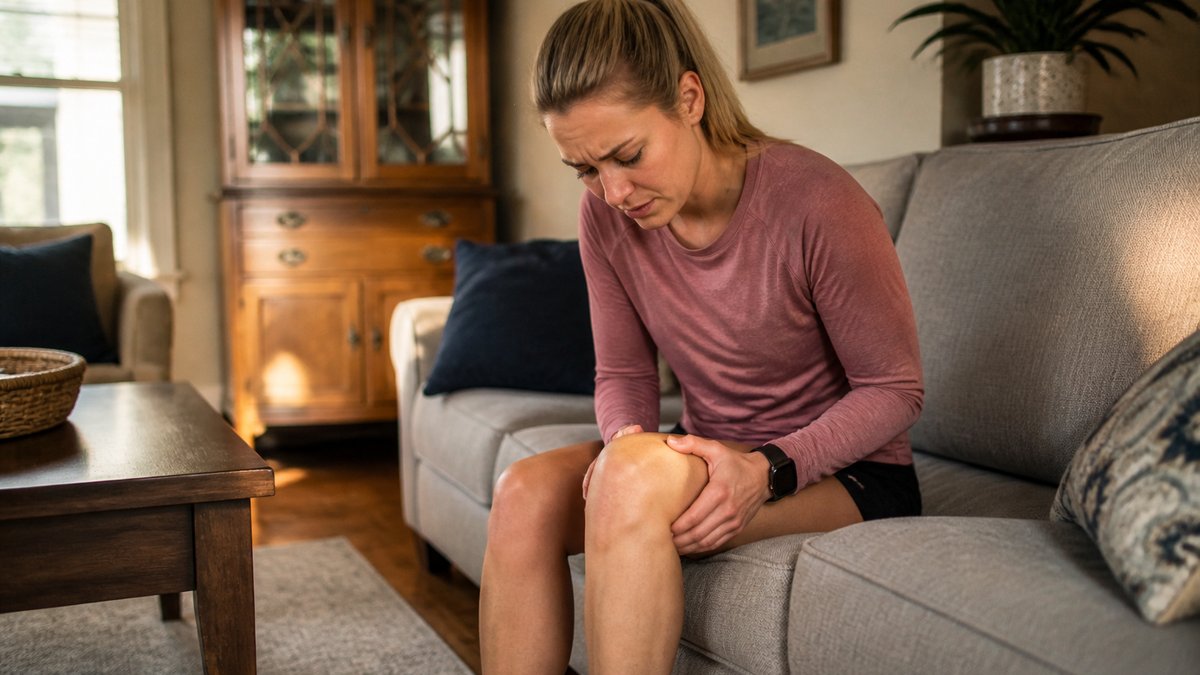
Knee pain can make everyday activities such as walking, climbing stairs, or standing from a seated position more difficult. Treatment depends on factors such as the cause of the pain and the severity of symptoms. Here is an overview of treatments for managing knee pain:
Home Care for Symptoms
People often start with home strategies when knee pain first appears. Rest breaks often reduce repeated stress on irritated tissues, and short periods of elevation can limit swelling. Targeted use of cold packs and warm compresses helps manage soreness and supports comfort between activities. Over-the-counter anti-inflammatory medications help some individuals, and others focus on topical products and gentle stretching.
Short walks on level ground keep the joint moving and prevent stiffness from prolonged sitting. Some people alternate walking days with rest days; this pattern gives the knee time to recover. Supportive shoes may also improve alignment through the leg, reducing uneven pressure inside the joint.
Exercise and Habit Adjustments
Targeted changes to movement patterns can relieve stress on the joint, and they help people stay active with less discomfort. A few practical adjustments often fit easily into daily routines, and changes may produce noticeable benefits. Here are some movements and habit modifications that can help knee pain:
- Shift to low-impact exercise: Activities like cycling or pool workouts put less load on the knee while still building endurance.
- Shorten high-demand sessions: Break long runs or walks into shorter segments to reduce peak stress on irritated structures.
- Use stairs thoughtfully: Holding a handrail and taking one step at a time can lower the force on the joint.
- Adjust your workstation setup: A supportive chair and neutral hip and knee angles may reduce strain during long periods of sitting.
- Plan regular movement breaks: Standing and walking briefly every hour can enhance circulation and limit stiffness.
Therapy and Bracing
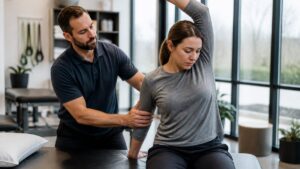
Physical therapy focuses on strength, flexibility, and movement control, which work together to support the knee. Braces and sleeves provide external support and can improve confidence during walking or sports.
Therapy and Targeted Exercise
The therapist evaluates gait, balance, and joint motion, and they use that to guide a tailored program. Strengthening often targets the quadriceps, hips, and core, which influence knee alignment during motion. Stretching, balance drills, and neuromuscular training can refine control, and they help reduce stress on painful areas.
Bracing, Supports, and Activity Progression
Some devices limit motions that irritate tissue, and others offer compression and warmth. Shoe inserts change how force passes through the leg, supporting certain alignment goals. Activity plans progress gradually under guidance, and this structure reduces the risk of symptom flare-ups.
Surgery for Severe Pain
When knee pain persists despite nonsurgical care, the orthopedic surgeon may recommend surgical options. Choices depend on the underlying problem, as well as activity goals and overall health. Procedures include arthroscopic repairs and joint replacement; each option has specific risks and benefits. Preoperative planning includes imaging, medication review, and rehabilitation scheduling, and this preparation supports recovery.
Post-surgery rehabilitation focuses on regaining motion and strength. Early phases emphasize swelling control and safe walking patterns, while later phases progress to higher-demand activities. Clear communication with the surgical and therapy teams helps address questions, and it guides adjustments in the plan.
Book Your Knee Pain Appointment
A professional assessment helps clarify the source of knee pain and match treatments to specific goals. A structured visit often includes a medical history review, a focused exam, and imaging when needed. The care team then outlines home strategies and therapy options; they discuss potential procedures and explain timelines. Contact a qualified orthopedic surgeon near you to book your knee pain appointment today.