Comprehensive wound care services focus on chronic and complex wounds, and they combine medical evaluation with ongoing treatment. These wounds include diabetic foot ulcers, pressure injuries, and venous leg ulcers. Each type requires a different approach because the underlying causes vary. Here are some things to expect from comprehensive wound care services:
Wound Assessment
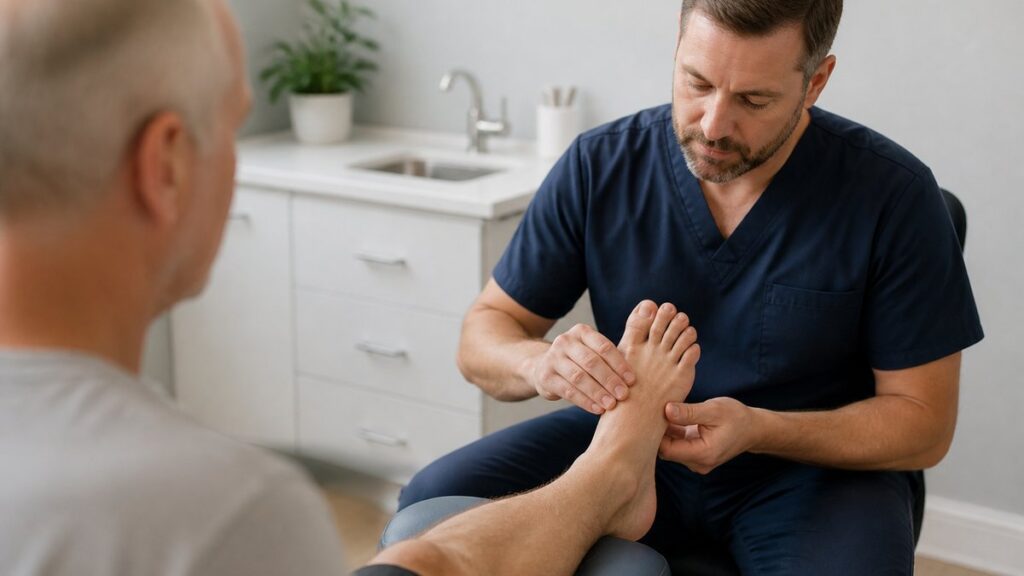
Your first appointment begins with a detailed wound assessment. The clinician measures the wound and records its length, width, and depth in your chart. They also examine the wound bed to assess tissue condition; surrounding skin and drainage often provide additional information about the wound. Signs of infection, such as redness, warmth, or odor, receive close attention. Your provider should ask about your medical history and review your current medications. They will also discuss your habits to identify factors that may slow healing. Conditions like diabetes, poor circulation, and smoking all affect how quickly a wound closes. Some care teams take photos at this visit to establish a baseline for tracking progress.
Diagnostic Testing
After the initial assessment, your provider might order tests to learn more about the wound. These tests identify the root cause of slow healing, and they guide treatment decisions. Because blood flow affects healing, circulation testing is common for wounds on the legs and feet. Some tests take place during your visit, but others require a separate appointment at a lab or imaging center. If your provider suspects an infection or a circulation problem, they will explain each test, and they will review the results with you. Providers may recommend:
- Wound cultures to check for bacteria or fungi
- Blood tests to measure blood sugar, nutrition levels, and signs of infection
- Ankle-brachial index (ABI) testing to compare blood pressure in the arms and legs
- Doppler ultrasound to evaluate blood flow in the arteries and veins
- Tissue biopsy to rule out cancer or other uncommon conditions
- X-rays or MRI scans to look for bone infection
Treatment Planning
Once the test results are available, your care team creates a treatment plan based on your needs. The plan addresses the wound, and it targets the conditions that delayed healing. To support healing, wound care services may include:
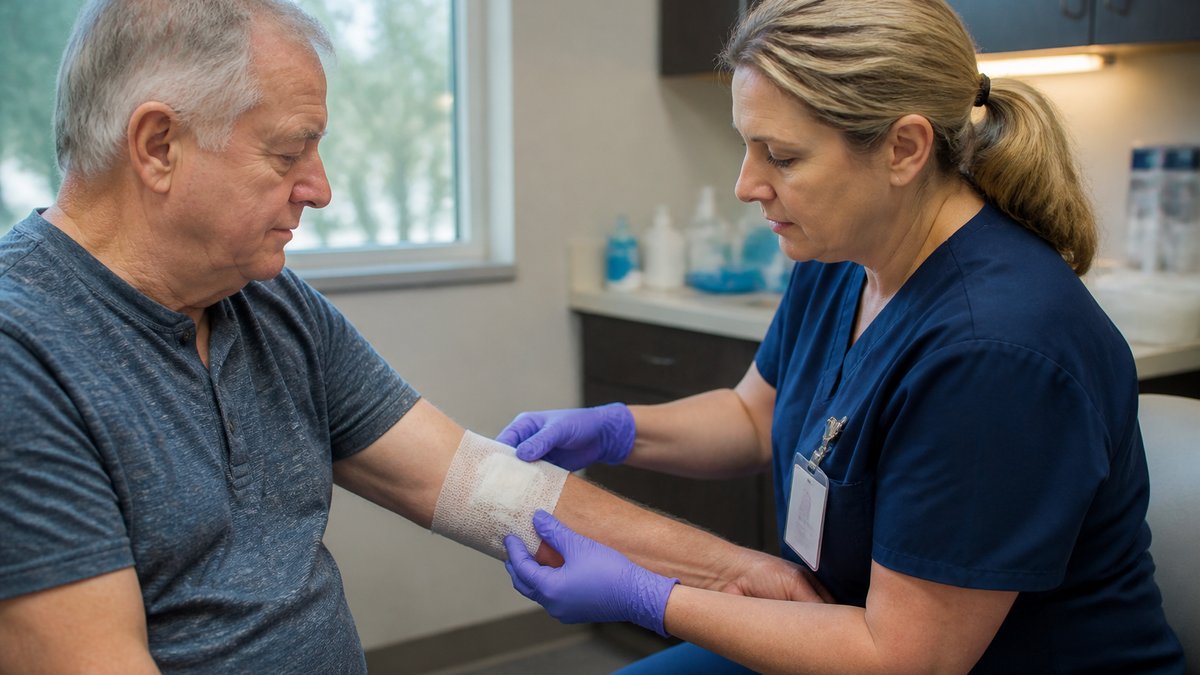
- Wound dressings: Specialized wound dressings help protect damaged tissue and support the healing process.
- Tissue grafting: This provides coverage for damaged areas and helps support tissue repair.
- Wound debridement: Providers remove dead or infected tissue to help the wound heal.
- Compression therapy: Compression helps reduce pressure and swelling in the affected leg, particularly for venous ulcers.
- Angioplasty: This procedure opens narrowed arteries to improve blood flow to the wound.
- Radiofrequency ablation: This procedure closes damaged veins to redirect blood through healthier veins.
Many treatment plans also include steps to take at home between visits. The team may teach you how to clean the wound and apply new dressings. They often provide guidance on nutrition, blood sugar control, and physical activity, because these factors affect tissue repair. Regular follow-up visits track your progress, and your provider adjusts the plan when healing slows or stalls. Clear communication with your care team supports progress. If you notice new pain, increased drainage, or a fever, contact your provider right away.
Schedule Wound Care Services
A wound that shows little improvement after several weeks needs evaluation from a wound care specialist. Early treatment lowers the risk of infection and other complications. Bring a list of your medications and any recent test results, since this information helps the team plan your care. Schedule an appointment at a wound care clinic today.