Persistent facial redness, stinging, or recurring flare-ups may indicate rosacea rather than temporary flushing. This condition affects people in various climates, and weather changes sometimes make symptoms more noticeable. Because environmental conditions vary, some people may notice flare-ups during outdoor activities, while others experience changes in heated indoor spaces. Recognizing these patterns early helps identify potential triggers and guide conversations with a dermatologist about symptom management. Here’s more information about rosacea and how to treat it:
Recognizing Early Signs
Rosacea often begins with frequent flushing across the central face. This redness may last longer between episodes and become more noticeable over time. Although symptoms typically appear on the face, they sometimes extend to the neck and chest. Some individuals develop visible blood vessels, while others experience rough skin or small bumps. These signs can resemble acne or sun damage; consulting a dermatologist helps determine the underlying cause.
Managing Daily Triggers
Small changes to daily routines sometimes help individuals reduce their rosacea flare-ups. Since environmental conditions and daily habits contribute to flare-ups, keeping a simple log helps identify potential triggers. Contemplate trying these tips:
- Use lukewarm water when washing your face, and avoid very hot showers that may increase redness.
- Choose fragrance-free cleansers and gentle skincare products instead of harsh scrubs or brushes.
- Apply sunscreen daily, even during winter months; mineral or gentle chemical formulations can help protect the skin from sun exposure.
- Cover your face with a scarf or mask during cold weather, and transition between outdoor and indoor temperatures gradually when possible.
- Monitor whether spicy foods or hot beverages contribute to facial flushing.
- Limit alcohol intake if certain beverages appear to trigger redness.
- Incorporate brief breaks and relaxation practices into your daily routine to help manage stress-related flare-ups.
Working With a Dermatology Expert
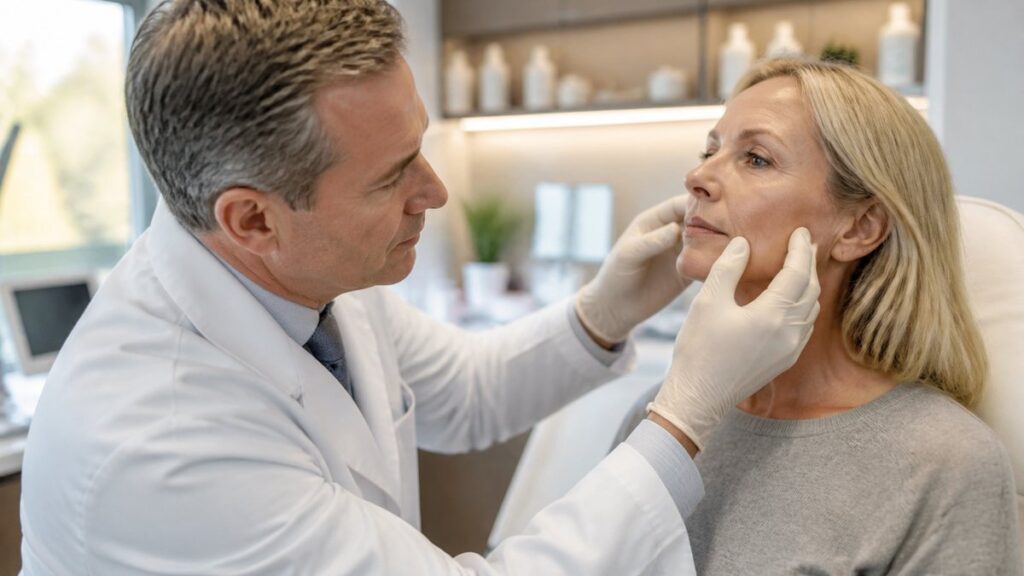
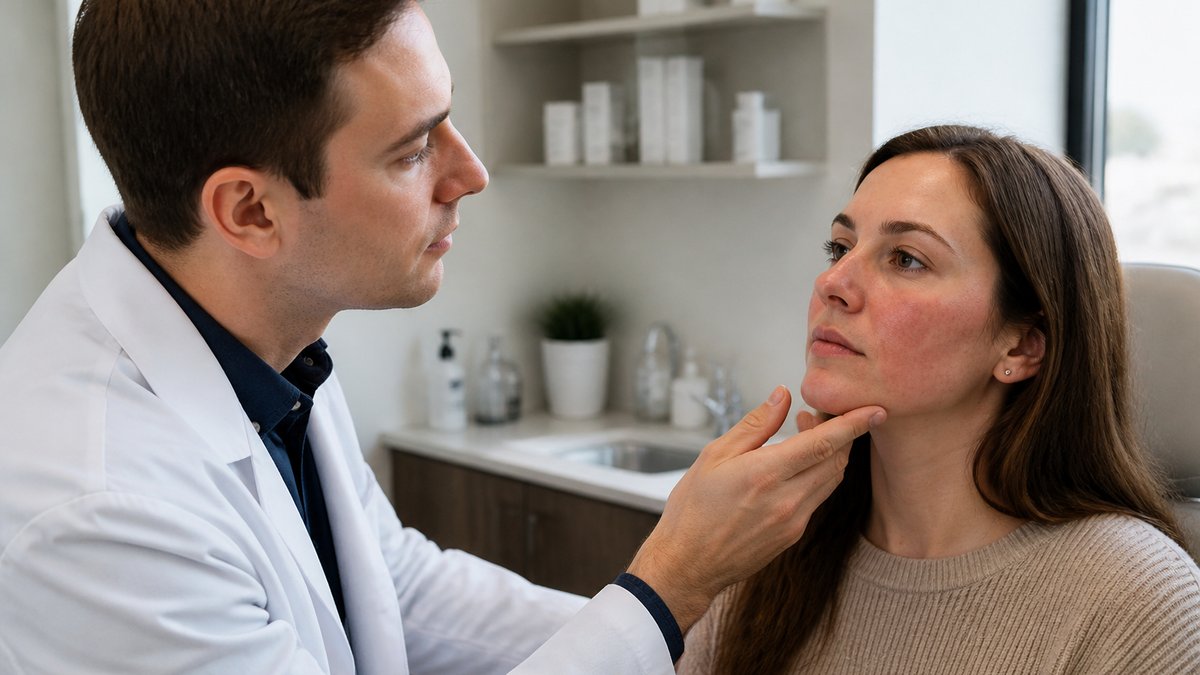
Dermatologists evaluate the skin closely and ask when redness began and how symptoms have changed over time. Because rosacea can resemble acne, allergies, or contact reactions, identifying the underlying condition helps guide treatment decisions. Care plans sometimes include topical prescriptions, oral medications, or in-office procedures, depending on the severity of symptoms. Gentle skincare at home can complement professional treatment, and regular follow-up visits help monitor progress. They also determine whether adjustments are needed.
Some individuals seek cosmetic improvements alongside medical treatment. These goals may include reducing visible blood vessels and improving skin texture while maintaining appropriate medical care. Practices that combine medical and cosmetic dermatology are able to address both concerns in one setting; this enhances convenience. This approach also allows treatment plans to evolve as skin needs, seasonal conditions, and daily routines change.
Find Treatment for Rosacea
Long-term rosacea management depends on consistent skincare habits that are easy to maintain, even during busy weeks. A basic routine typically includes a gentle cleanser, a non-irritating moisturizer, and daily sunscreen. Because certain ingredients may irritate sensitive skin, check product labels for potentially irritating components. Patch testing new products on a small area of skin also helps identify potential reactions. If symptoms change or new triggers develop, consult your dermatologist to determine whether your treatment plan needs adjustment.