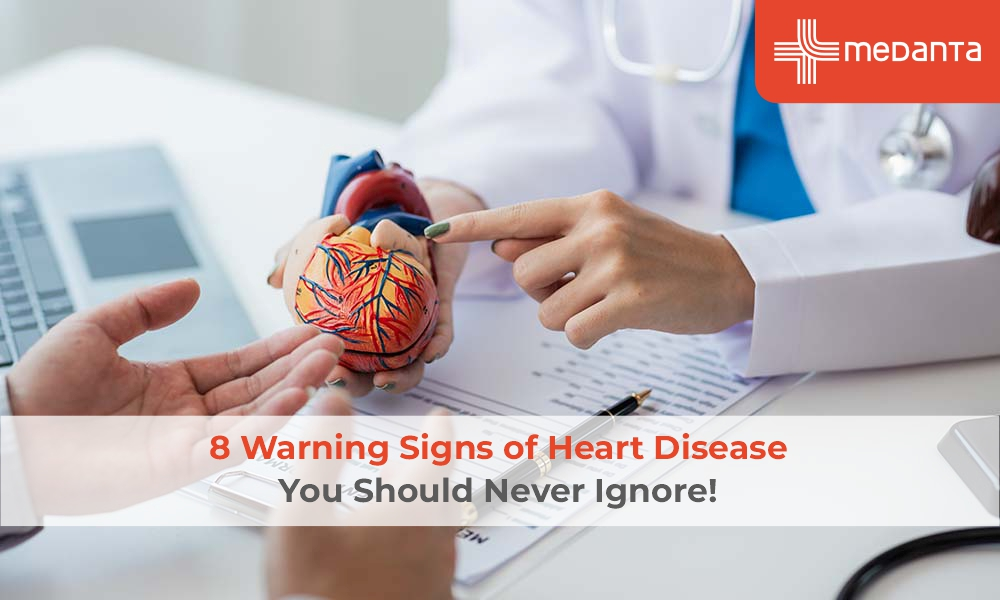
Heart problems can sometimes develop gradually, while in other situations they can appear suddenly and require immediate medical attention. Recognizing common heart health warning signs is important because early medical evaluation can make a significant difference when a serious cardiovascular problem occurs.
Not every symptom means that a person has a heart condition. Many symptoms can have different causes. However, unusual, persistent, severe, or sudden symptoms should not be ignored. Understanding the warning signs can help you know when it is time to seek professional care.
1. Chest Pain or Pressure
Chest discomfort is one of the most recognized warning signs of a possible heart problem. It may feel like pressure, squeezing, heaviness, tightness, fullness, or discomfort in the center or left side of the chest.
Some people describe it as an uncomfortable sensation rather than sharp pain. The symptoms may last for several minutes or come and go.
Chest discomfort can have many causes, but new or unexplained chest pressure should be taken seriously, particularly when it occurs with other concerning symptoms.
If you suspect a heart attack, seek emergency medical assistance immediately.
2. Shortness of Breath
Unexplained shortness of breath can sometimes be associated with heart or lung problems. It may occur during physical activity, at rest, or when lying down.
Some people may notice that activities they previously handled easily suddenly leave them unusually breathless.
Severe or sudden difficulty breathing requires emergency medical attention, especially when accompanied by chest discomfort, fainting, confusion, or other serious symptoms.
3. Unusual Fatigue
Everyone experiences tiredness from time to time, but unexplained or unusual fatigue can sometimes be a warning sign of an underlying health problem.
Some people may notice a significant decrease in their ability to perform normal activities. Tasks that were previously manageable may suddenly feel much more difficult.
Persistent fatigue has many possible causes, so it should not automatically be attributed to heart disease. If the change is unusual or accompanied by other symptoms, discuss it with a healthcare professional.
4. Pain That Spreads to Other Areas
Heart-related discomfort does not always remain in the chest. It may spread to other areas of the upper body.
Possible locations can include:
- One or both arms
- Shoulders
- Back
- Neck
- Jaw
- Upper abdomen
This type of discomfort may occur with chest pressure, sweating, nausea, or shortness of breath.
Because symptoms can vary considerably between individuals, unusual pain combined with other warning signs should receive prompt attention.
5. Dizziness or Fainting
Feeling dizzy occasionally can have many causes, including dehydration, low blood pressure, or standing up too quickly. However, sudden or unexplained dizziness or fainting can sometimes be associated with an abnormal heart rhythm or other cardiovascular problems.
Fainting, particularly during physical activity, should be medically evaluated.
If someone loses consciousness and does not quickly recover, or if unconsciousness is accompanied by severe symptoms, emergency medical assistance is necessary.
6. Rapid or Irregular Heartbeat
A sensation of the heart racing, fluttering, pounding, or beating irregularly is often described as a palpitation.
Occasional palpitations can occur because of stress, caffeine, exercise, or other factors. However, repeated or prolonged episodes may require evaluation.
Seek urgent medical attention if an irregular or rapid heartbeat occurs alongside chest pain, severe shortness of breath, fainting, or significant dizziness.
7. Excessive or Unusual Sweating
Unexpected sweating, particularly cold or clammy sweating combined with chest discomfort, nausea, weakness, or shortness of breath, can be a warning sign of a serious medical problem.
Do not assume that unexplained heavy sweating is simply caused by heat or physical activity when it occurs alongside other concerning symptoms.
8. Nausea or Vomiting
Nausea and vomiting are commonly associated with digestive illnesses, food-related problems, and many other conditions. However, they can sometimes occur during a heart-related emergency.
This is especially important when nausea occurs together with chest discomfort, sweating, shortness of breath, dizziness, or unusual weakness.
When several concerning symptoms appear together, emergency medical evaluation may be necessary.
9. Swelling in the Legs or Feet
Swelling in the ankles, feet, or lower legs can have several possible causes. In some cases, it may be associated with problems affecting the heart’s ability to circulate blood effectively.
Persistent swelling, especially when accompanied by shortness of breath, unexplained weight changes, or increasing fatigue, should be discussed with a healthcare professional.
Sudden or severe symptoms require more urgent assessment.
10. Difficulty Exercising
A noticeable reduction in exercise tolerance can sometimes be an important health signal. For example, a person may become unusually tired or short of breath while performing activities that were previously comfortable.
Changes in exercise ability can have many causes, including respiratory problems, anemia, lack of fitness, medications, and heart conditions.
A persistent and unexplained decline should be evaluated rather than ignored.
Heart Attack Warning Signs
A heart attack can present differently from one person to another. Common symptoms can include chest pressure or discomfort, shortness of breath, sweating, nausea, dizziness, and discomfort spreading to the arm, shoulder, back, neck, or jaw.
Some people may experience less typical symptoms or may not have prominent chest pain.
If you believe you or someone else may be experiencing a heart attack, do not wait for symptoms to disappear. Contact local emergency medical services immediately.
When Should You Contact a Healthcare Professional?
Not every heart-related symptom is an emergency, but persistent or unexplained changes deserve attention.
Arrange a medical evaluation if you experience:
- Repeated palpitations
- Unexplained fatigue
- Persistent shortness of breath
- Recurring dizziness
- Swelling in the legs or feet
- A significant change in exercise tolerance
- Recurrent chest discomfort
A healthcare professional can assess your symptoms and determine whether further testing is appropriate.
Know Your Personal Risk Factors
Understanding your cardiovascular risk can also help you take preventive action. Risk factors can include high blood pressure, high cholesterol, diabetes, tobacco use, physical inactivity, obesity, and a family history of certain cardiovascular conditions.
Regular health checkups can help identify some of these risk factors before they lead to more serious problems.
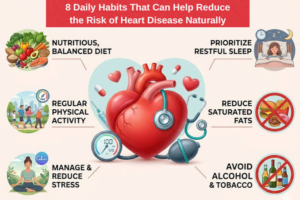
Healthy lifestyle choices, including regular physical activity, balanced nutrition, avoiding tobacco, maintaining a healthy weight, and getting adequate sleep, can support cardiovascular health.
Conclusion
Recognizing common heart health warning signs can help people respond more quickly when something is wrong. Chest discomfort, shortness of breath, unusual fatigue, dizziness, fainting, irregular heartbeats, unexplained sweating, and pain that spreads to other parts of the body are symptoms that deserve attention.
Symptoms can vary significantly, and having one of these signs does not automatically mean that a heart condition is present. However, sudden or severe symptoms—particularly chest discomfort combined with breathing problems, sweating, nausea, or fainting—should be treated as a potential emergency.
When in doubt, seek professional medical advice. If you suspect a life-threatening heart emergency, contact your local emergency medical service without delay.