Your musculoskeletal system absorbs stress during physical activity, which can lead to sports injuries. Orthopedic surgeons specialize in diagnosing, treating, and preventing conditions that affect this system. From helping athletes reduce their risk of injury to guiding them through recovery, orthopedic surgeons provide continuous, comprehensive care. This care is designed to restore function; learn more about the role of orthopedic surgeons in comprehensive sports care.
Preventative Care
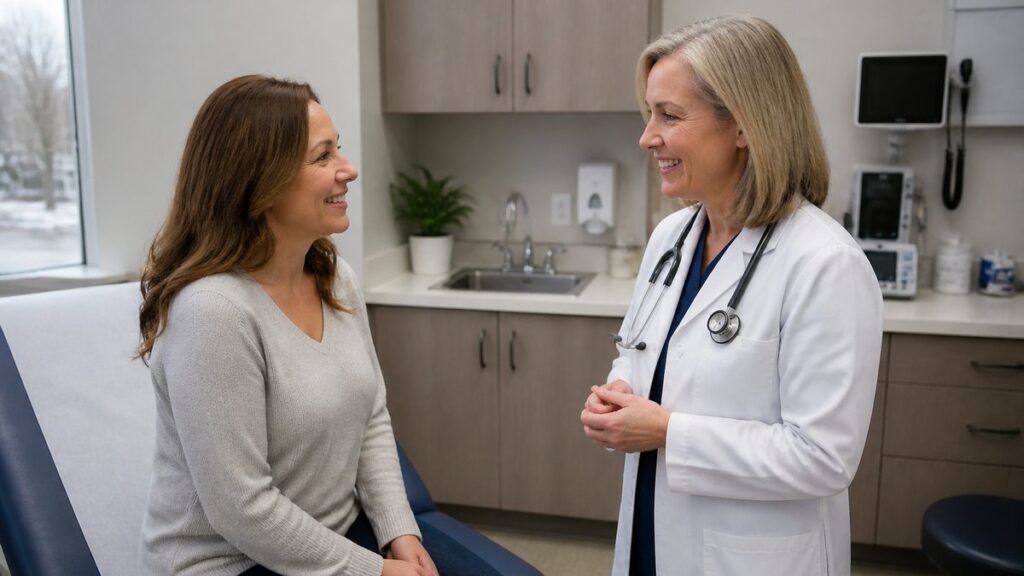
Preventative care helps keep the same injury from recurring or worsening. During an assessment, the surgeon reviews your medical history, joint stability and range of motion, and identifies previous injuries that may put you at risk for future injury. The surgeon may recommend targeted strengthening programs or changes to your training routine. Orthopedic surgeons may also collaborate with athletic trainers and coaches to help athletes follow safe practices throughout the season.
Diagnosing Injuries
Orthopedic surgeons diagnose injuries by discussing how the injury occurred and assessing your symptoms. A physical examination allows the surgeon to test strength and stability in the affected area. Imaging studies, including X-rays, MRIs, and CT scans, provide more details. These tools help the surgeon identify the extent and severity of the injury for diagnosis.
Non-Surgical Care
Some sports injuries heal successfully without surgery. Orthopedic surgeons often recommend conservative treatment first, particularly for mild to moderate injuries. These approaches aim to relieve pain, reduce inflammation, and restore strength and mobility while allowing the body to heal.
Common non-surgical and at-home medical treatments include:
- Rest and activity modification to protect the injured area
- Ice, compression, and elevation to reduce swelling
- Bracing, splinting, or casting to stabilize joints and bones
- Physical therapy to rebuild strength, flexibility, and coordination
- Anti-inflammatory medications to manage pain
Your orthopedic surgeon monitors your progress throughout treatment and adjusts the plan as needed. If symptoms persist or the injury does not respond to conservative care, the surgeon may discuss surgical options with you. After surgery, rehabilitation types and lengths of care can be discussed.
Surgical Care
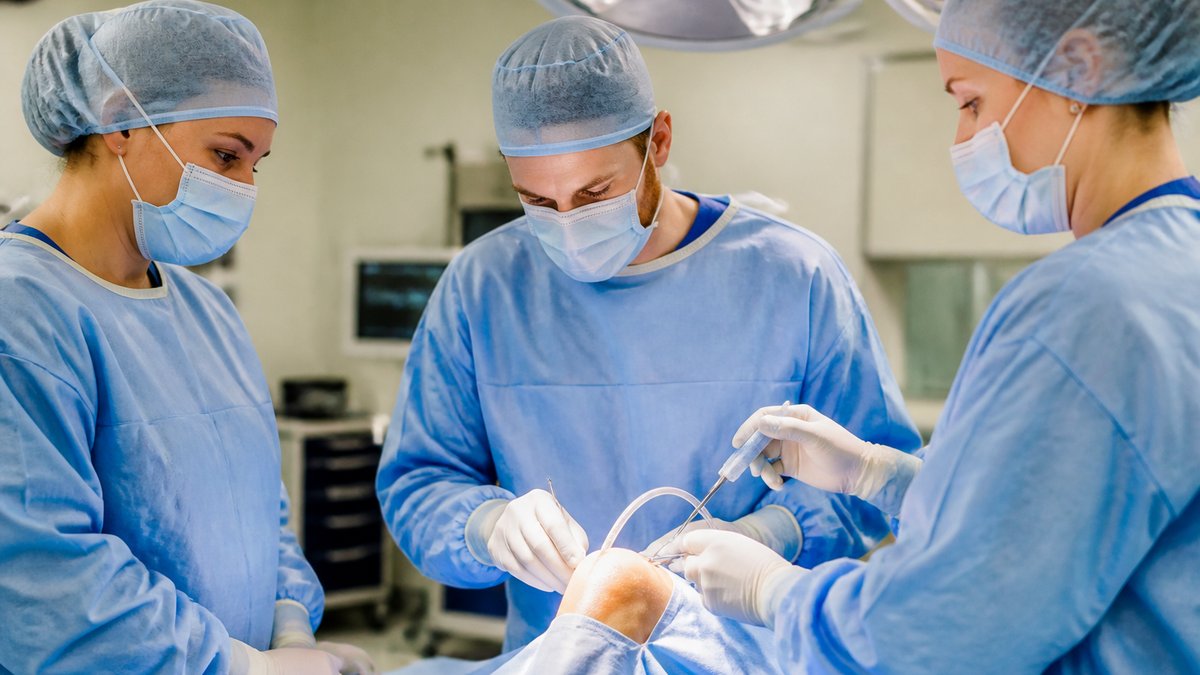
Orthopedic surgeons can use minimally invasive techniques, including arthroscopy, to treat sports injuries. During arthroscopic surgery, the surgeon inserts a small camera and specialized instruments through small incisions to view and repair the joint. This approach may result in less pain and scarring compared to traditional surgery, as well as a shorter recovery period. For more complex injuries, open procedures may be necessary to reconstruct ligaments, stabilize fractures, or repair tendons.
Orthopedic surgeons may oversee postoperative rehabilitation, working closely with physical therapists to guide you through recovery. They also determine when it is safe to return to training and competition. This measure helps reduce the risk of reinjury and protects your long-term joint health.
Receive Sports Injuries Care
Orthopedic surgeons provide comprehensive care at every stage of injury, from prevention of future injury to diagnosis and intervention. This helps athletes recover safely and return to their sport sooner. If you have experienced a sports injury or wish to reduce your risk of future injury, schedule an evaluation with an orthopedic surgeon to discuss your care options.