Aesthetics in skincare focuses on how the skin looks and functions, linking surface appearance with underlying health. Products, treatments, and daily habits all influence texture and tone. They interact with each person’s biology differently. A simple routine may support some goals, while targeted treatments suit others. Here is more information on the basics of aesthetics in skincare:
Aesthetics Basics
Skin has structure, and that structure shapes how aesthetics show up on the surface. The outer barrier holds moisture and blocks irritants, while deeper layers support firmness. Both layers react to light, climate, and touch. When the barrier stays balanced, the skin may look smoother and more even. If that balance shifts, redness, flaking, or breakouts may appear, influencing how makeup sits and how light reflects from the face. Aesthetic treatments and daily skincare work with these layers to guide the skin back toward a steady state.
Skincare Components
Skincare routines share a few core components, each with a specific role in skin health and aesthetics.
- Cleansers: Formulated to lift sweat and oil without stripping the barrier.
- Exfoliants: Used to support cell turnover and refine texture.
- Serums: Targeted formulas that address specific concerns such as dryness.
- Moisturizers: Products that help retain water in the skin.
- Sunscreens: Daily protection that limits photoaging.
Each category interacts with the others. The order of application affects absorption and comfort. A lightweight serum may go on before a richer cream, and sunscreen is the last step in the morning routine. If exfoliation becomes too frequent, the barrier weakens and irritation grows, which can change how other products feel. A balanced routine respects the skin’s pace of renewal and supports aesthetics by working with natural processes.
Professional Guidance
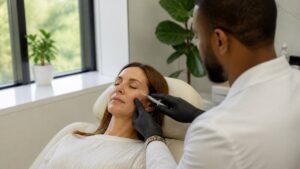
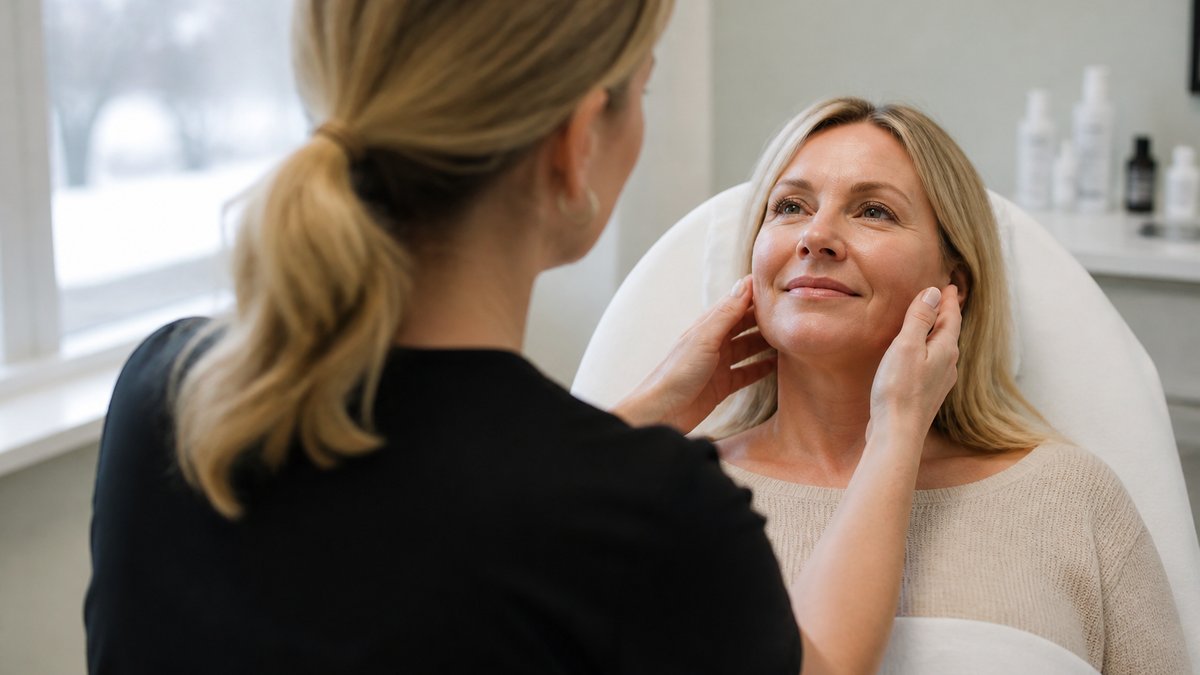
Aesthetic centers bring medical insight to skincare. Practitioners review visible signs such as dullness, congestion, or pigment changes, and they link those signs to lifestyle and product history. Some centers use diagnostic tools to examine hydration or sun damage beneath the surface. That information shapes treatment choices. When a plan aligns with what the skin shows and how it behaves, skin health may improve.
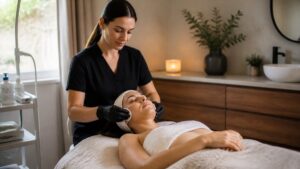
Professional treatments complement home routines rather than replace them, and that balance matters for long-term results. A series of office procedures may address texture or tone, while daily cleansing and sun protection support results between visits. Aesthetic professionals track how the skin responds from session to session, adjusting frequency or product strength when patterns shift. Communication during appointments guides expectations. It helps match treatment intensity to tolerance and recovery time.
Visit an Aesthetic Center Today
Skincare choices shape aesthetics over months and years, and expert input helps refine those choices into a practical plan. A consultation at an aesthetic center provides a professional assessment, targeted treatments, and product guidance aligned with your skin’s current state. When you pair that support with consistent daily care, the skin’s appearance may reflect the combined effort through smoother texture and a more even tone. If you are looking to improve your skin health and appearance, visit an aesthetic center today.