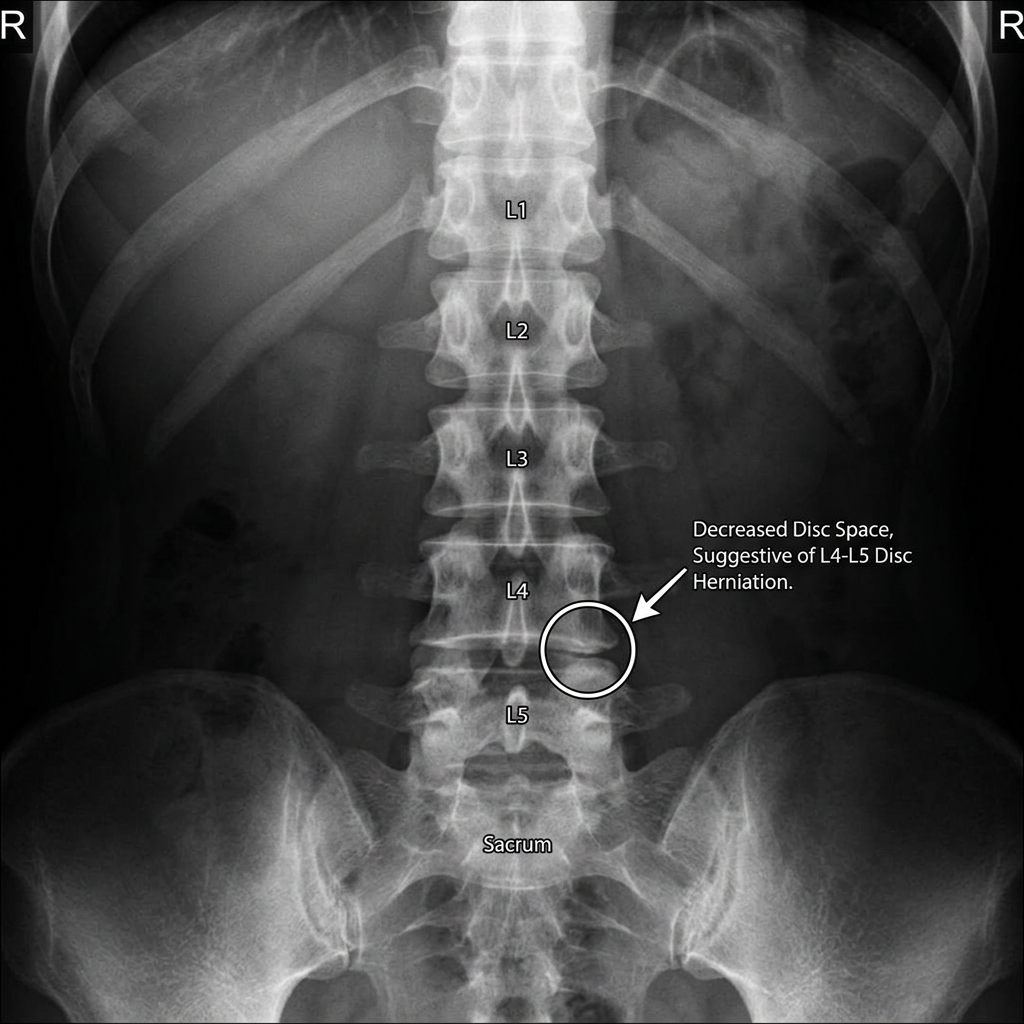
Neurosurgeons treat conditions of the brain, spinal cord, and nerves, but much of their work focuses on the spine, where 23 intervertebral discs cushion the vertebrae. Each disc has a tough outer ring and a soft, gel-like center. Age, injury, or repetitive strain can cause a disc to bulge or herniate. When disc material presses on a nearby nerve, a person may notice pain, numbness, tingling, or weakness in the neck, back, arms, or legs. Many patients try nonsurgical care first, like physical therapy and medications, but a neurosurgeon may discuss surgery if symptoms continue or if nerve function changes. Here’s information on disc surgery and what to expect:
How Minimally Invasive Surgery Works
Disc surgery removes or treats the part of a disc that presses on a nerve or the spinal cord, often with minimally invasive techniques that use smaller incisions. For this procedure, the surgeon inserts a narrow tube through the skin and separates the muscles instead of cutting them. A microscope or endoscope provides a magnified view of the area. Your neurosurgeon will review your imaging and explain which approach best fits your anatomy and condition. The location of the damaged disc shapes the procedure:
- Lower Back (Lumbar Spine): A common procedure is a microdiscectomy. The surgeon reaches the disc from the back and removes only the fragment pressing on the nerve root. The healthy portion of the disc typically stays in place.
- Neck (Cervical Spine): The surgeon often reaches the disc through a small incision at the front of the neck. This route provides access without moving the spinal cord and nerves. After removing the disc, the surgeon may fuse the two vertebrae or insert an artificial disc.
- Mid-back (Thoracic Spine): While disc problems in this region are less common, the surgeon may approach from the side or the back, depending on the damaged disc’s position.
What Surgery Is Like
Most disc procedures take place in a hospital or outpatient surgical center. On the day of surgery, you will check in and meet your anesthesia team. Patients receive general anesthesia, so they sleep through the entire procedure. The surgical team positions you on the operating table based on the planned approach. For lower back surgery, you typically lie face down. For neck surgery from the front, you lie on your back.
The procedure takes around one to three hours, depending on the technique and the number of discs involved. Afterward, you move to a recovery area where nurses monitor your vital signs as the anesthesia wears off. Because of minimally invasive techniques, many patients go home the same day; others stay one or more nights for observation.
What To Expect From Recovery
Recovery timelines after disc surgery vary from person to person; your surgeon will provide instructions based on your procedure and overall health. Soreness around the incision is common during the first several days, but your care team will explain how to manage discomfort and care for the wound. Short walks are often encouraged soon after surgery. Many surgeons ask patients to avoid certain movements during recovery, including:
- Bending
- Lifting
- Twisting
Recovery after a fusion often takes longer than recovery after a microdiscectomy, but your surgeon will outline a timeline for your specific case. If you had neck surgery, you may need to wear a soft collar. A follow-up appointment usually takes place within two weeks for an incision check. Many people return to desk work within a few weeks, but jobs that involve heavy lifting or physical labor may require a longer break. Your surgeon may recommend physical therapy to rebuild strength and flexibility.
Prepare for Your Disc Surgery
To prepare for your surgery, ask about the specific procedure, the expected length of your hospital stay, and any activity restrictions afterward. Your surgeon may order blood work, imaging, or other tests before the operation. If you take blood thinners or other medications, your care team will tell you whether to pause them. Arrange for someone to drive you home and help with household tasks during the first week. Before surgery day, place frequently used items at waist height to limit bending.